The ‘Twin Village’ of India, A Phenomenon Like No Other
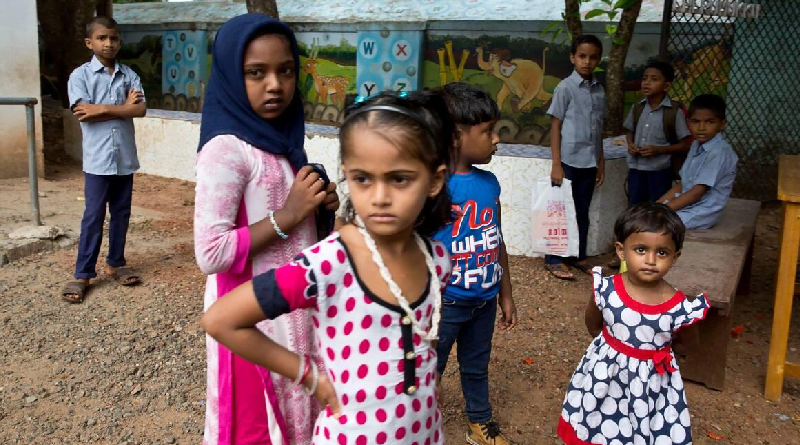
Nestled in Kerala’s Malappuram district, lies the village of Kodinhi, often dubbed as the ‘Twin Village’ This small settlement has captivated the attention of researchers and tourists alike because of its extraordinarily high birth rate of twins, a phenomenon that continues to puzzle scientists worldwide.
Astonishing twin statistics
Kodinhi is home to nearly 2,000 families. Remarkably, the village boasts over 400 pairs of twins, with some reports suggesting as many as 550 pairs. This translates to a twin birth rate of about 45 per 1,000 births, much higher than India’s national average of nine per 1,000 births and the global average of 6 per 1,000 births.
Historical context
The occurrence of twin births in Kodinhi dates back to 1949. The phenomenon, however, became more common in the last three generations. Interestingly, women from Kodinhi who marry outside the village and women from other regions who marry into Kodinhi, also frequently give birth to twins. Scientists suggest that the cause may be genetic.
Scientific investigations
Intrigued by this anomaly, researchers from institutions such as the Centre for Cellular and Molecular Biology (CCMB) in Hyderabad and the University of London have carried out studies in Kodinhi. They collected deoxyribonucleic acid (DNA) samples to identify any genetic markers linked to the high twin birth rate. However, despite these efforts, no definitive genetic cause has been identified. Environmental factors, including the village’s air and water quality, have also been examined. No conclusive links could be established so far.
Cultural significance
The abundance of twins has become an integral part of Kodinhi’s identity. In 2008, the Twins and Kins Association (TAKA) was established to support the twins and their families, addressing unique challenges related to education and healthcare. The village also hosts an annual twin festival, celebrating its unique demographic and fostering a strong sense of community among residents. Village elders attribute the high twin birth rate to the blessings of a local deity. Others believe that the village’s waters possess mystical properties that promote fertility.
Global parallels
Kodinhi’s high twin birth rate is reminiscent of other regions worldwide. Igbo-Ora in Nigeria and Cândido Godói in Brazil, for instance, also report elevated twin birth rates. In Igbo-Ora, the twin birth rate is about 45 to 50 per 1,000 live births, while in Cândido Godói, one in every ten births involves twins. Researchers continue to study these regions to uncover potential genetic, environmental, or dietary factors contributing to these phenomena.
Kodinhi stands as a testament to nature’s mysteries with its exceptionally high twin birth rate remaining unexplained despite extensive research. This phenomenon not only shapes the village’s demographic profile but also enriches its cultural tapestry, making Kodinhi a unique and intriguing place on the global map.