Is Elon Musk Losing the Plot?
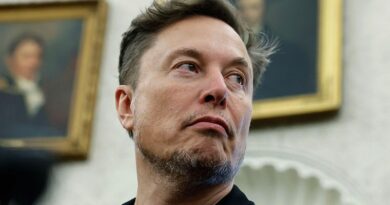
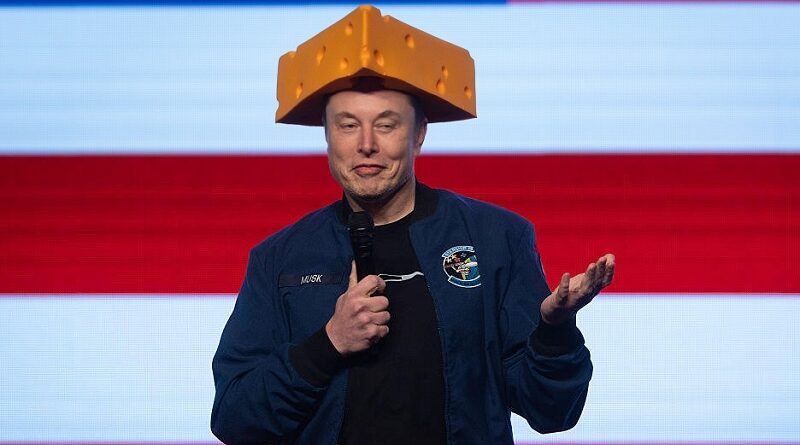
Elon Musk, the richest person on earth, is on a sticky ground. He’s now faced with a major shift in public sentiment. Recent events have catalysed widespread protests and a significant decline in his approval ratings. A YouGov/Times of London survey published on 13 January revealed that 71 percent Britons hold an unfavourable view of Musk, a seven-point increase since November. The surge in negativity is largely attributed to his controversial remarks on child abuse cases from the 2010s, leading to 69 percent respondents expressing distrust in him.
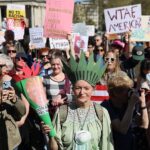
Earlier this month, Tesla (the electric vehicle company owned by Musk) faced global protests under the banner ‘Tesla Takedown’. Demonstrators targeted nearly 500 Tesla showrooms worldwide. The protests were fuelled by Musk’s political involvement, particularly his association with the Donald Trump administration and perceived support for far-right entities. Protesters, in New York, demanded the closure of the department of government efficiency (DOGE) headed by Musk where he has been accused of shutting down agencies and accessing sensitive data to reduce government spending. The department was formed by Trump at the behest of Musk to reduce federal workforce and budget. Similar demonstrations took place Washington, Vancouver, Berlin, Paris, and London. There have been instances—otherwise largely peaceful—of vandalism against Tesla vehicles.
Tesla feeling the heat
The repercussions of the negative sentiment are already evident in Tesla’s financial performance. Sales figures have been adversely affected. In China, a crucial market for Tesla, the company sold 10 percent fewer cars in September 2024 compared to the same period a year earlier, according to the China Passenger Car Association. This decline occurred despite aggressive price cuts aimed at maintaining market share. In 2024, Tesla reported its first annual sales decline in over a decade, delivering approximately 1.79 million vehicles, a 1.1 percent decrease from 1.81 million in 2023. The decline is attributed to an aging product portfolio and increased competition.
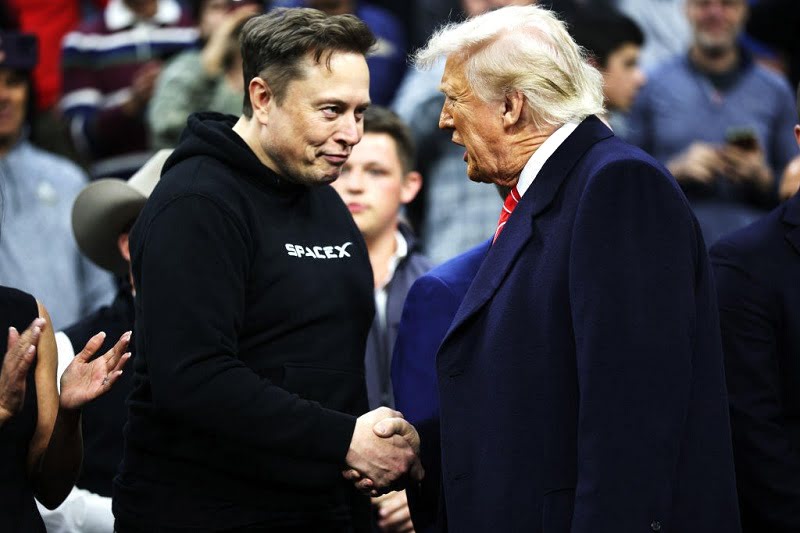
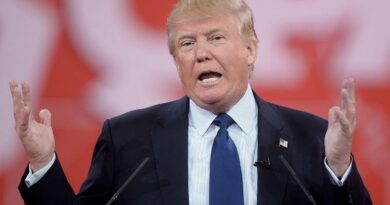
Musk and Trump shake hands on the sidelines of a wrestling championship in Philadelphia
Tesla’s dominance in the electric vehicle (EV) market is being challenged by a surge of Chinese manufacturers. The company, in 2018, established a factory in Shanghai aiming to bolster its China presence. Since then, chinese companies like Build your Dreams (BYD), Nio, and XPeng have emerged as formidable competitors. Tesla’s share of China’s all-electric retail car market declined from 13 percent in 2021 to 8 percent in the first nine months of 2024. BYD, backed by legendary investor Warren Buffett’s Berkshire Hathaway, has transitioned entirely into EV and has outpaced Tesla in sales within China. The BYD Seal sedan, for instance, offers features comparable to the Tesla Model 3 but at a price point nearly $8,000 lower. Nio, meanwhile, distinguishes itself with luxury EVs and services like battery-swapping stations. XPeng integrates advanced autonomous-driving features, including laser-based systems for city driving.
The competitive landscape has been further intensified by the sheer number of Chinese EV manufacturers. In 2023, there were around 123 companies selling EVs in China. The numbers have since burgeoned to almost 300. In 2024, BYD’s sales soared by 41 percent including 1.77 million EVs, nearly matching Tesla’s numbers. This underscores the growing influence of Chinese brands in the global EV market.
Also Read: British Lawmaker Demands Jallianwala Bagh Massacre Apology
Tesla’s stock has also been affected, experiencing a major decline in 2025. As of 31 March, 2025, the company’s shares have fallen approximately 35 percent since the beginning of the year. The downturn is part of a broader market reaction to impending tariff implementations by the White House that have particularly impacted tech stocks. Tesla’s stock dropped 6.4 percent amid reduced price targets and near-term delivery forecasts.
Analysts have expressed concern that Musk’s political involvement is alienating Tesla’s customer base and damaging its brand. Some have suggested that Musk should refocus on Tesla or consider stepping down to restore consumer and investor confidence.
Controversies one too many
Tesla has encountered several controversies over the years ranging from workplace issues to product reliability concerns. Allegations of racism and sexual harassment were raised at Tesla’s Freemont factory. More than 40 lawsuits were filed by current and former employees detailing such allegations. The California department of fair employment and housing, in February 2023, sued Tesla and accused it of racial discrimination and allowing harassment to persist.
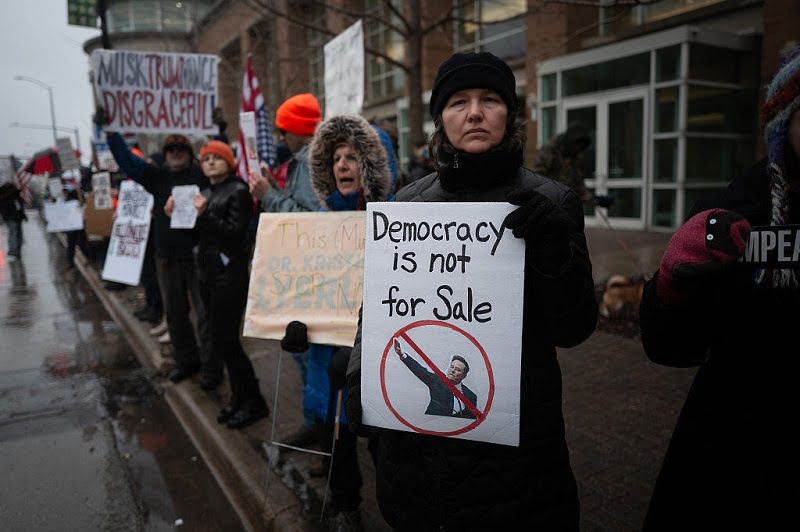
Demonstrators protest before the start of a town hall meeting with Elon Musk in Green Bay
Product quality has been a point of contention as well. Tesla’s Autopilot and Full Self-Driving (FSD) features have been linked to multiple fatal accidents, raising questions about its safety and the accuracy of the company’s claims regarding its capabilities. Shareholders, in February 2023, moved court alleging that Tesla and Musk overstated the effectiveness and safety of their Autopilot and FSD technologies, leading to financial losses when the shortcomings of these features became apparent.
Hints at stepping down
Musk has indicated to step down from his role leading the DOGE by end of May 2025. In a recent interview, he said, “I think we will have accomplished most of the work required to reduce the deficit by $1 trillion within that time frame.”
Musk’s tenure at DOGE is limited to 130 days. He enjoys his designation as a special government employee, a status that exempts him from comprehensive financial disclosures required for full-time workers. As of late-March, DOGE claims to have saved US taxpayers $115 billion through actions including workforce reductions, asset sales, and contract cancellation.
Future tense?
Musk must make a decisive choice: either refocus his attention on Tesla and its innovation or relinquish leadership roles that distract from the company’s core mission. Hinting at stepping down from DOGE is definitely a damage control measure. Bit will it be enough? If he fails to course-correct Tesla, the company risks losing its competitive edge in an EV industry increasingly dominated by more focused and strategically agile Chinese manufacturers.