“You Cannot Rewrite the Past”: Supreme Court Reminds Centre
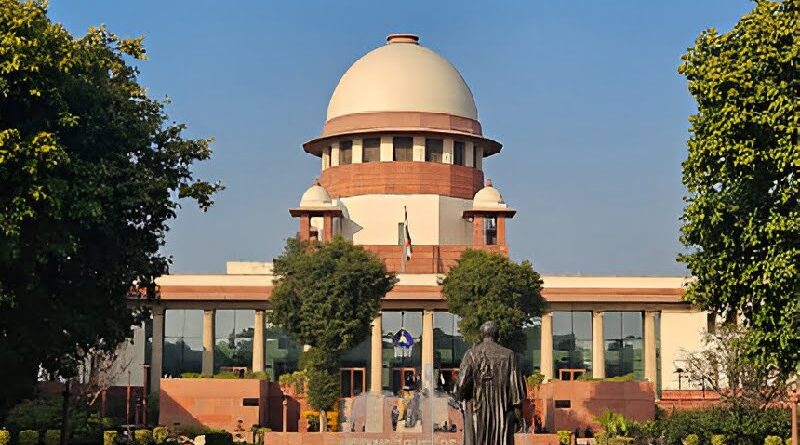
Break10 Web Desk: In a pivotal hearing today, the Supreme Court of India expressed strong reservations about the Centre’s recent amendments to the Waqf Act, emphasising that historical legal decisions cannot be retroactively altered.
Chief Justice Sanjiv Khanna, leading the bench, addressed solicitor general Tushar Mehta, stating, “You cannot rewrite the past of 100 years.” This remark was in response to provisions in the Waqf (Amendment) Act, 2025 that aim to reclassify certain properties, including those declared as waqf over a century ago.
The Court scrutinised section 2A of the amended Act which allows the government to override previous court judgments regarding waqf properties. Khanna highlighted the constitutional concern, noting, “The legislature cannot declare any judgment or decree of court as void. You can remove the basis of law but you cannot declare any judgment or declare as not binding.”
Also Read: 10 Indian Railway Stations with the Weirdest Names
The bench also questioned the inclusion of non-Muslim members in Waqf boards, drawing parallels with Hindu religious boards.
The Waqf (Amendment) Act, 2025, passed earlier this month, seeks to reform the management of waqf properties by introducing measures for transparency, inclusivity, and gender equality. It mandates representation of Muslim women and various sects in Waqf boards and allows for appeals against Waqf tribunal decisions in High Courts.
The amendments, however, have sparked protests in regions like Murshidabad in West Bengal where unrest has led to casualties. The Supreme Court acknowledged these developments, with Khanna condemning the violence and emphasizing the need for careful consideration of the Act’s implication.